
Rustic Outdoor Tiles in Guwahati
Rustic outdoor tiles built for Northeast India's climate — Guwahati's 1600mm-plus annual rainfall and 75–90% monsoon humidity demand a low-porosity vitrified body (water absorption under 0.5%) and the right slip and hardness ratings for daily use. Sizes in this category typically run from 300×300 anti-skid formats up to 600×1200 and 800×1600 large-format slabs. Which designs we can supply, and how quickly, depends on the mill and the quantity — ask us and we will confirm for the design you have in mind. Visit our Bhangagarh and Tetelia showrooms in Guwahati for a 2×2 sqft sample lay-out before you commit.
Rustic outdoor tiles in our catalogue


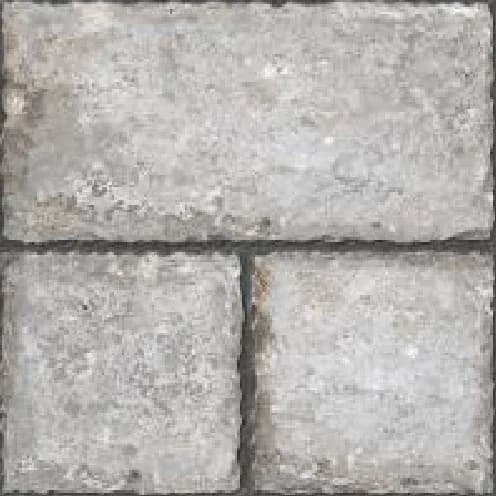

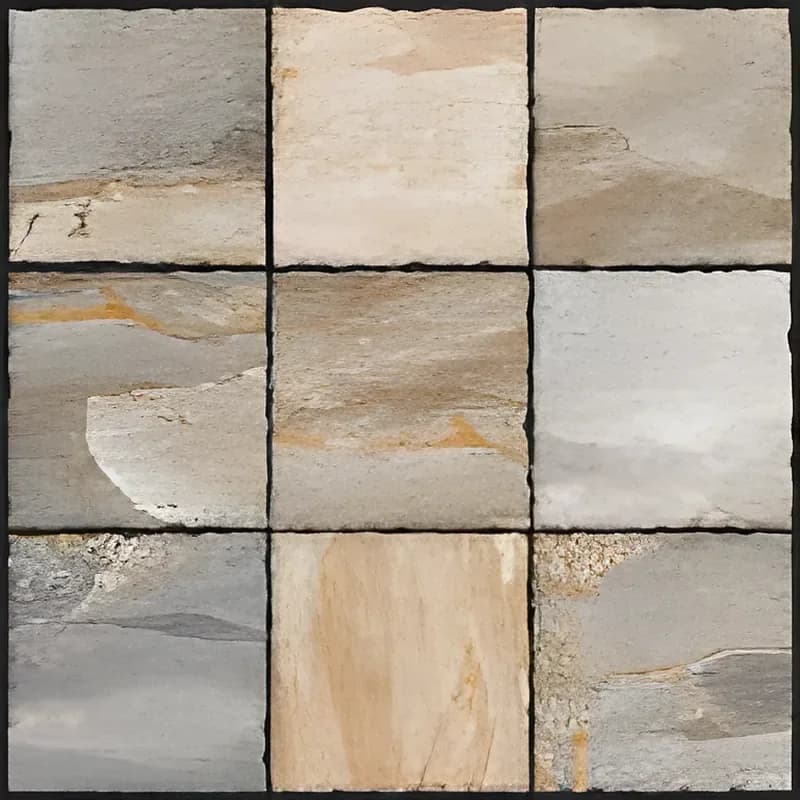






All 91 designs we list for a outdoor →
Room guidance on this page is worked out by us from the size, category, surface finish and design name recorded in this catalogue, matched against how that specification is normally used. It is our reading, not a manufacturer rating — no tile maker certifies a design for a particular room — and where a floor is decided by slip resistance we say what we cannot confirm instead of guessing it.
How Rustic compares to other finishes
| Finish | What the surface is |
|---|---|
| Rustic (this page) | A deliberately irregular, textured surface. Reads as natural, weathered stone and holds grip wet, which suits verandahs and courtyards. |
| Polished | A mechanically polished surface, mirror-flat. Visually the closest tile gets to stone. Slick when wet, so it belongs in dry rooms. |
| Wood-Look | A digitally printed timber grain, usually in plank formats. Gives the appearance of wood with a ceramic body underneath — no sealing, no swelling in humidity. |
| Marble-Look | A printed veined surface imitating natural marble. Delivers the look without marble’s porosity, acid sensitivity or re-polishing cycle. |
Specifications quoted across these pages are the published industry classes — IS-15622 for water absorption, DIN 51130 for slip rating, and the PEI abrasion scale. Always confirm the figures on the manufacturer’s own datasheet for the specific design you choose.
Frequently asked questions
- Which tile size is best for a Outdoor in Guwahati?
- For a typical Outdoor in a Guwahati apartment we recommend 600×600 vitrified tiles — large enough to keep grout lines minimal (less monsoon-dampness ingress through grout) but small enough to handle without site breakage. Smaller 300×300 or 300×600 anti-skid formats are preferred for the wettest spots. Samples of both sizes are laid out at our Bhangagarh and Tetelia showrooms in Guwahati.
- How does Assam humidity affect Rustic tiles?
- Assam runs 75–90% humidity for nearly half the year. A Rustic vitrified tile with water absorption under 0.5% does not sponge in moisture, which is why vitrified outperforms ceramic in long monsoon households. We test every Rustic batch we stock against humidity-induced staining before placing repeat orders with the mill.
- What is the typical delivery lead time from Guwahati for Outdoor tiles?
- We dispatch across Assam and the Northeast from our Bhangagarh and Tetelia showrooms in Guwahati. Timing depends on the material, the quantity and the route, so it is agreed per order rather than quoted here — send us the design and the delivery address and we will confirm. Deliveries include a tile-count verification at unload.
- Is Rustic Outdoor flooring slippery when wet?
- The Rustic tiles in our Outdoor range carry R10 or R11 slip ratings — measured per DIN 51130. R10 is the safe minimum for Outdoor use in NE-India monsoon conditions; R11 is recommended where exposed to direct rain. Sample tiles are available in the showroom for a barefoot-feel test before you commit.
- Do you offer installation labour along with tile supply?
- We supply only — tile, marble, granite material with full GST invoice. Our showroom team maintains a list of vetted Guwahati and NE-7 tile contractors we have worked with on past projects. Many customers prefer this — clean separation of material billing from labour, no hidden mark-up.
- How do I clean Rustic Outdoor tiles during monsoon?
- A weekly mop with pH-neutral cleaner is enough. Avoid acidic cleaners (vinegar, citric scale removers) on vitrified tiles — they etch the glaze over time. For grout discolouration common after a wet July, a dilute bleach-water solution applied with a stiff brush restores the original shade.