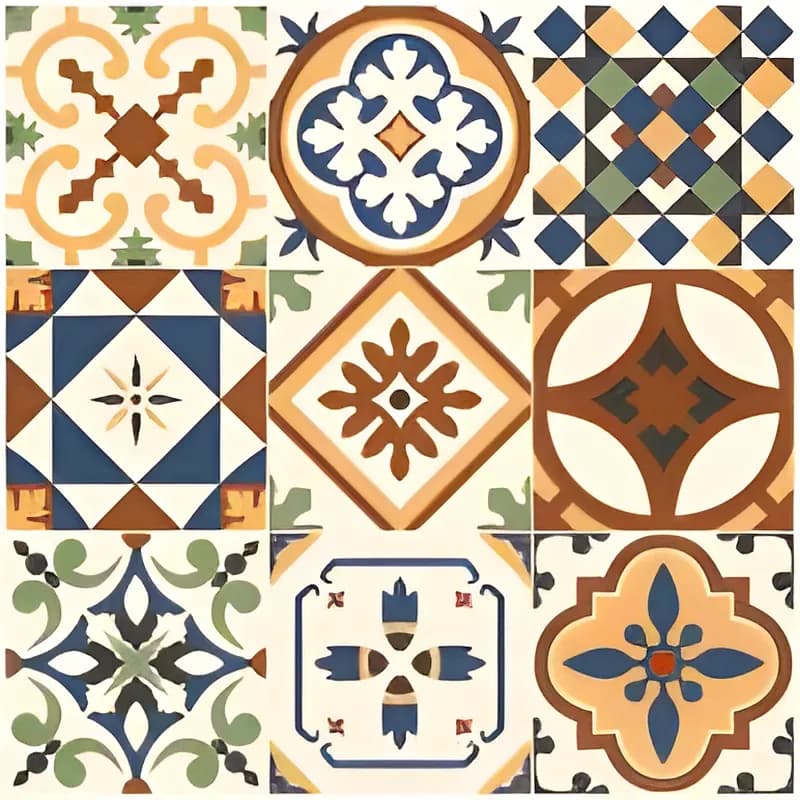
Terrace tiles
A terrace is an outdoor floor sitting on top of an occupied room, so the tile is only half the decision — the waterproofing and the falls underneath it are the other half, and they are what actually keeps the ceiling below dry.
What we can supply, and when, depends on the design and the quantity — ask us and we will confirm for what you have in mind rather than publish a blanket claim here. Bring the room dimensions to our Bhangagarh and Tetelia showrooms in Guwahati and we will lay a 2 × 2 ft sample block so you can see the tile at the size it will actually be read at.
What decides a terrace tile
- Slip: R11 for an open terrace. It will be walked on wet more often than any other floor in the house.
- Thermal movement: an exposed slab moves. Movement joints are not optional, and no tile spec substitutes for them.
- Waterproofing: the membrane and the falls are specified before the tile. Tile is a wearing surface, never the waterproof layer.
Designs we list for a terrace
91 designs in the catalogue suit this room on the specification we hold for them. 12 of them below.


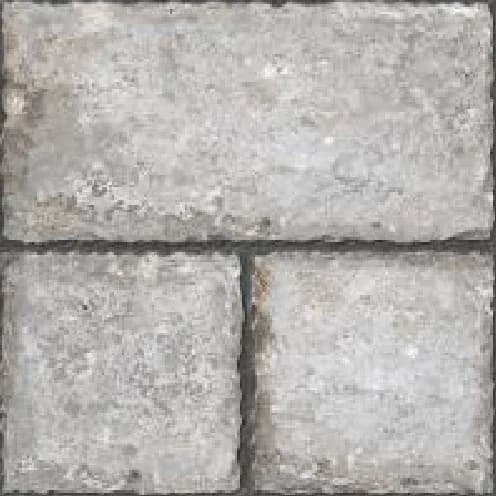

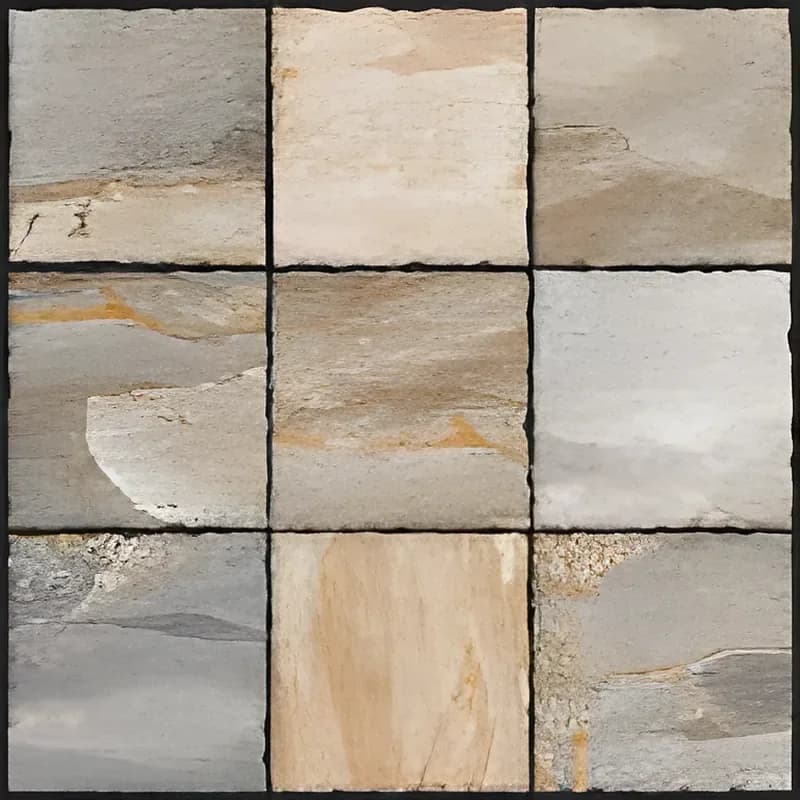






Room guidance on this page is worked out by us from the size, category, surface finish and design name recorded in this catalogue, matched against how that specification is normally used. It is our reading, not a manufacturer rating — no tile maker certifies a design for a particular room — and where a floor is decided by slip resistance we say what we cannot confirm instead of guessing it.
Finishes for a terrace
Each of these opens the range for this room in that finish.
Anti-Skid terrace tiles
A structured or textured surface with a measured slip rating (R10–R12 under DIN 51130). Chosen for floors that are walked on wet — bathrooms, balconies, terraces, parking.
Matte terrace tiles
A non-reflective glaze. Hides water marking, oil splatter and foot traffic better than any gloss, at the cost of some brightness in a dark room.
Glossy terrace tiles
A reflective glaze. Returns light, which makes small and low-light rooms read larger — and shows every drop and fingerprint while doing it.
Polished terrace tiles
A mechanically polished surface, mirror-flat. Visually the closest tile gets to stone. Slick when wet, so it belongs in dry rooms.
Wood-Look terrace tiles
A digitally printed timber grain, usually in plank formats. Gives the appearance of wood with a ceramic body underneath — no sealing, no swelling in humidity.
Marble-Look terrace tiles
A printed veined surface imitating natural marble. Delivers the look without marble’s porosity, acid sensitivity or re-polishing cycle.
Rustic terrace tiles
A deliberately irregular, textured surface. Reads as natural, weathered stone and holds grip wet, which suits verandahs and courtyards.
Glazed-Vitrified terrace tiles
GVT: a vitrified body with a printed and glazed face. The body gives the low water absorption, the glaze gives the design range — the most common large-format construction.
Specifications quoted across these pages are the published industry classes — IS-15622 for water absorption, DIN 51130 for slip rating, and the PEI abrasion scale. Always confirm the figures on the manufacturer’s own datasheet for the specific design you choose.